If you’re planning to start or scale your e-commerce business, one of the biggest decisions you’ll face is choosing between private label vs wholesale product sourcing.
Both models can be profitable — but they work in very different ways. Choosing the wrong one for your budget or experience level can slow your growth or even lead to losses.
In this guide, we’ll break down the key differences, pros, cons, and when to choose each model — so you can confidently build a sourcing strategy that fits your goals.
🧩 What Is Private Label?
Private labeling means you buy products directly from a manufacturer and sell them under your own brand name.
You control the packaging, logo, product design, and even small modifications — making it truly your brand.
✅ Advantages of Private Labeling
-
Brand Ownership: You build your own identity and customer loyalty.
-
Higher Profit Margins: Since you control branding, you can charge premium prices.
-
Customization Options: You can tweak colors, materials, or features.
-
Scalability: Once a product succeeds, you can expand your branded line easily.
❌ Disadvantages
-
Requires a larger initial investment (for molds, packaging, and bulk orders).
-
Longer lead times for production and branding.
-
You’re responsible for marketing and quality control.
Example:
Think of how Amazon sellers create “brand-name” kitchen tools using factories from China — they design custom packaging and logo but don’t own the factory.
🏬 What Is Wholesale?
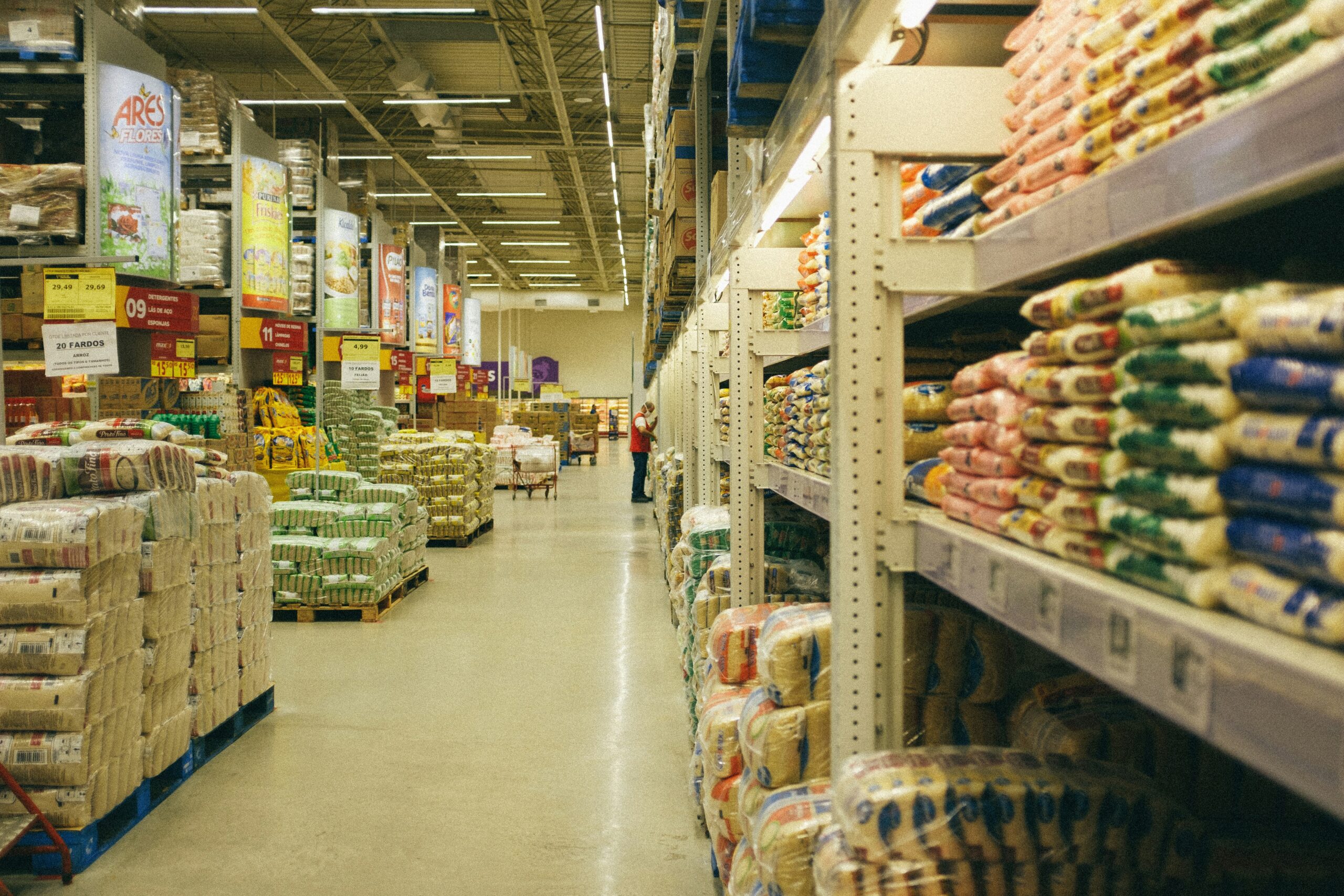
Wholesale sourcing means you buy ready-made branded products in bulk from authorized distributors or manufacturers, and resell them for profit.
You don’t own the brand — you leverage existing demand and trust.
✅ Advantages of Wholesale
-
Low Risk: Products are already proven in the market.
-
Faster Start: No need for design or customization.
-
Simpler Operations: No factory coordination or branding costs.
-
Scalable Inventory: Easy to restock popular items.
❌ Disadvantages
-
Lower Profit Margins due to market competition.
-
Limited control over branding and packaging.
-
Some brands restrict who can resell their products.
Example:
Buying Apple chargers from an authorized wholesaler and selling them in your Shopify store at a markup.
⚖️ Private Label vs. Wholesale – The Key Differences
| Factor | Private Label | Wholesale |
|---|---|---|
| Ownership | You own the brand | You resell other brands |
| Startup Cost | Medium to High | Low to Medium |
| Profit Margin | 40–70% | 10–30% |
| Product Control | Full customization | No customization |
| Time to Market | 4–8 weeks | 1–2 weeks |
| Scalability | High, brand-based | Depends on supplier stock |
| Risk Level | Higher initial risk | Lower business risk |
💡 Which One Should You Choose?
Your choice depends on your experience, budget, and goals.
🔹 Choose Private Label If:
-
You want to build a long-term brand identity.
-
You have a budget of $1,000+ for inventory and design.
-
You’re ready to invest time in marketing and differentiation.
🔹 Choose Wholesale If:
-
You want to start quickly with less risk.
-
You prefer selling popular products without branding work.
-
You’re testing markets before launching your own brand later.
💬 The Hybrid Strategy (Best of Both Worlds)
Some successful sellers start with wholesale to learn the market, and once they understand what sells, they shift to private labeling the best-performing products.
This approach allows you to:
-
Test demand with less investment.
-
Build relationships with suppliers.
-
Gradually transition into your own brand once you have data.
⚙️ How eComWithFaisal Helps You Decide
At eComWithFaisal, we specialize in Product Sourcing Solutions — whether you’re looking for reliable wholesalers or private-label manufacturers.
Our sourcing experts help you:
✅ Find verified suppliers in China, India, or local markets.
✅ Negotiate pricing and MOQ.
✅ Manage branding, packaging, and production.
✅ Handle quality inspection and shipping.
👉 Learn more about our Product Sourcing Services.
🚀 Final Thoughts
There’s no “one-size-fits-all” approach in e-commerce sourcing.
If you’re just starting out and want to move fast, wholesale gives you speed and lower risk.
If you’re building a brand for long-term success, private label helps you own your market.
Whatever you choose — focus on reliability, quality, and consistency.
The right sourcing strategy will always lead to sustainable growth.
✳️ Ready to Source Your Next Winning Product?
Let our team find trusted suppliers and help you choose the best sourcing model for your business.
👉 Book Your Product Sourcing Consultation